

Intermittent Fasting for Beginners: A Simple Starter Guide
A simple, beginner-friendly guide to intermittent fasting — popular methods, real benefits, and how to start without feeling hungry or overwhelmed.
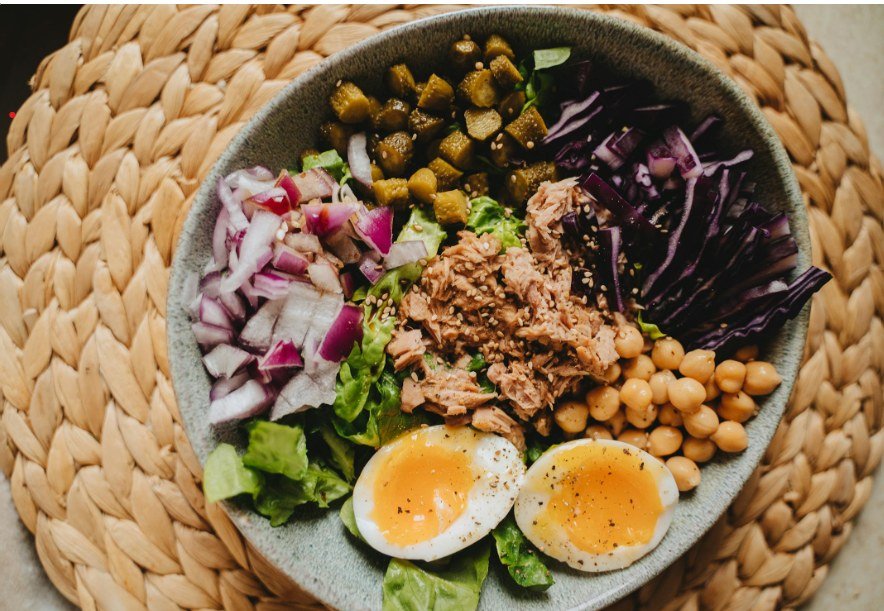
If you’ve spent any time scrolling through health content lately, you’ve probably seen intermittent fasting come up again and again. Friends swear by it, celebrities credit it, and somehow it’s everywhere — but what does it actually involve?
Here’s the short version: intermittent fasting isn’t a diet in the usual sense. You’re not counting every calorie or banning entire food groups. Instead, you’re simply choosing when you eat rather than obsessing over what you eat.
That small shift sounds almost too easy, and for a lot of beginners it genuinely is. But like anything worth doing, it works best when you understand the why behind it. So let’s walk through it together — no hype, no scary rules, just a clear starting point.
What Is Intermittent Fasting, Really?
Intermittent fasting (often shortened to IF) is an eating pattern that cycles between periods of eating and periods of not eating. During the fasting window you stick to water, black coffee, or plain tea. During the eating window you eat your normal meals.
Your body is actually built for this. Think about it — your ancestors didn’t have a fridge humming away in the kitchen. They went hours, sometimes a full day, between meals. Your metabolism knows how to handle gaps without food, and IF simply leans into that natural rhythm.
When you stop eating for a while, your insulin levels drop and your body gets the signal to start burning stored fat for fuel. That’s the core idea, and it’s why so many people use fasting as a tool alongside the right meals — like the ones in our high-protein diet plan for weight loss.
Popular Fasting Methods for Beginners
There isn’t one “correct” way to fast. The best method is the one you can actually stick to. Here are the approaches most people start with:
The 16:8 Method
You fast for 16 hours and eat within an 8-hour window — for example, eating between noon and 8 p.m., then fasting until noon the next day. Most of those fasting hours happen while you sleep, which is why beginners love it. It barely feels like effort.
The 12:12 Method
If 16 hours sounds intimidating, start here. You fast for 12 hours and eat within 12. Finish dinner by 8 p.m. and skip the late-night snacking until 8 a.m. It’s gentle, forgiving, and a smart on-ramp.
The 5:2 Approach
You eat normally five days a week and keep calories low (around 500–600) on two non-consecutive days. This one gives you full freedom most of the week, which some people find easier to plan around.
A quick tip: pick one method and give it two full weeks before you judge it. Your body needs a little time to adjust before you decide whether it suits you.
The Real Benefits of Intermittent Fasting
People come to IF for weight loss, but they often stay for everything else. Here’s what consistent fasting can offer:
- Easier fat loss — with a smaller eating window, you naturally tend to eat fewer calories without tracking every bite.
- Steadier energy — once you adapt, that mid-afternoon crash often fades and your focus improves.
- Better blood sugar control — fasting can improve how your body handles insulin over time.
- Less decision fatigue — fewer meals to plan means fewer chances to grab something you’ll regret.
- Cellular cleanup — during longer fasts your body ramps up a repair process called autophagy, essentially tidying up old, damaged cells.
It’s worth being honest, though: fasting is a tool, not magic. If your eating window is full of fried food and sugar, results will stall. Pairing IF with whole foods and a bit of movement — even a short morning workout routine — is where the real change happens.
How to Start Without Feeling Miserable
The biggest mistake beginners make is going too hard, too fast. They jump from grazing all day to a 16-hour fast and feel cranky and lightheaded by hour three. Then they quit. Let’s avoid that.
Ease Into Your Window
Push your breakfast back by an hour every few days. If you usually eat at 7 a.m., try 8, then 9, then 10. Before you know it, you’ve reached a comfortable 16:8 without the shock.
Stay Hydrated
Most early hunger pangs are actually thirst in disguise. Keep water nearby and sip throughout your fast. Black coffee and unsweetened tea are fair game too, and they help take the edge off.
Don’t Binge When the Window Opens
Breaking your fast with a giant, greasy meal will leave you sluggish and undo your progress. Open gently — think protein, fiber, and healthy fats. A balanced plate keeps you full and prevents the crash.
Listen to Your Body
Feeling a little hungry is normal. Feeling dizzy, weak, or unwell is not. If that happens, eat something. Fasting should make you feel better over time, not worse.
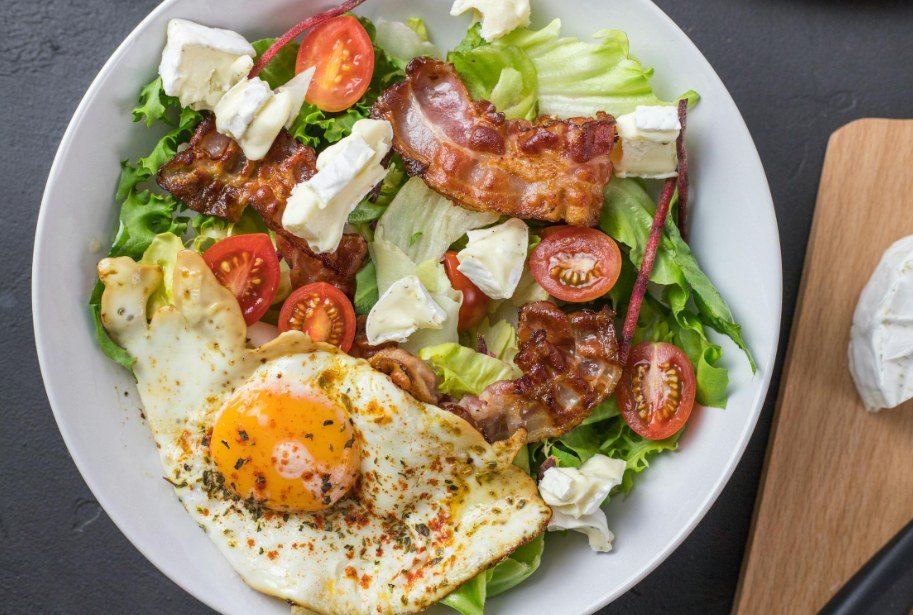
What to Eat in Your Eating Window
Fasting decides when you eat, but what you actually put on your plate still matters enormously. A shorter eating window won’t do much for you if it’s filled with chips and soda. Build your meals around real, filling foods instead:
- Lean protein — eggs, chicken, fish, tofu, or beans to keep you full and protect your muscle.
- Fibre-rich vegetables and fruit — they fill you up for very few calories and keep your energy steady.
- Healthy fats — nuts, olive oil, and avocado help you feel satisfied for much longer.
- Whole grains — oats, brown rice, and quinoa for slow, lasting fuel between meals.
Eat this way most of the time and you’ll find the hours between meals far easier to handle. Fasting and good food aren’t rivals — they’re teammates.
Who Should Be Careful With Fasting
Intermittent fasting suits a lot of people, but it isn’t for everyone. Please check with a doctor first if you are pregnant or breastfeeding, have diabetes or take blood-sugar medication, have a history of disordered eating, or are under 18.
There’s no prize for forcing a method that doesn’t fit your life or your health. The goal is a sustainable habit you can carry for years, not a two-week sprint you dread.
Final Thoughts
Intermittent fasting works because it’s simple. You’re not memorizing complicated rules or buying special products — you’re just giving your body regular breaks from eating and letting it do what it already knows how to do.
Start small, stay consistent, and pair your fasting window with real food and a little movement. The scale matters, sure, but pay attention to your energy, your focus, and how your clothes fit too. Those quiet wins add up.
So here’s the only question left: which window will you try first?
FAQs
Will I lose muscle if I fast?
Not if you eat enough protein during your window and stay active. Short fasts of 12–16 hours mainly target fat stores. Strength training and adequate protein protect your muscle.
Can I drink coffee while fasting?
Yes — as long as it’s black, with no sugar, milk, or cream. Plain coffee and tea won’t break your fast and can actually help curb hunger.
How soon will I see results?
Most beginners notice steadier energy within a week or two. Visible weight changes usually follow over four to eight weeks, depending on your food choices and activity level.