

Discover how to eat healthy without spending too much money. Perfect for students and beginners.
Introduction
Eating healthy doesn’t have to break the bank. By planning ahead, buying smart, and cooking simple meals at home, anyone can maintain a nutritious diet while staying within a budget. This guide will help you make cost-effective choices without compromising on quality or flavor.
Key Principles of Budget-Friendly Eating
- Plan Your Meals: Make a weekly shopping list to avoid unnecessary purchases.
- Cook at Home: Preparing meals yourself is cheaper than eating out.
- Buy in Bulk: Purchase staples like rice, beans, oats, and frozen vegetables in larger quantities.
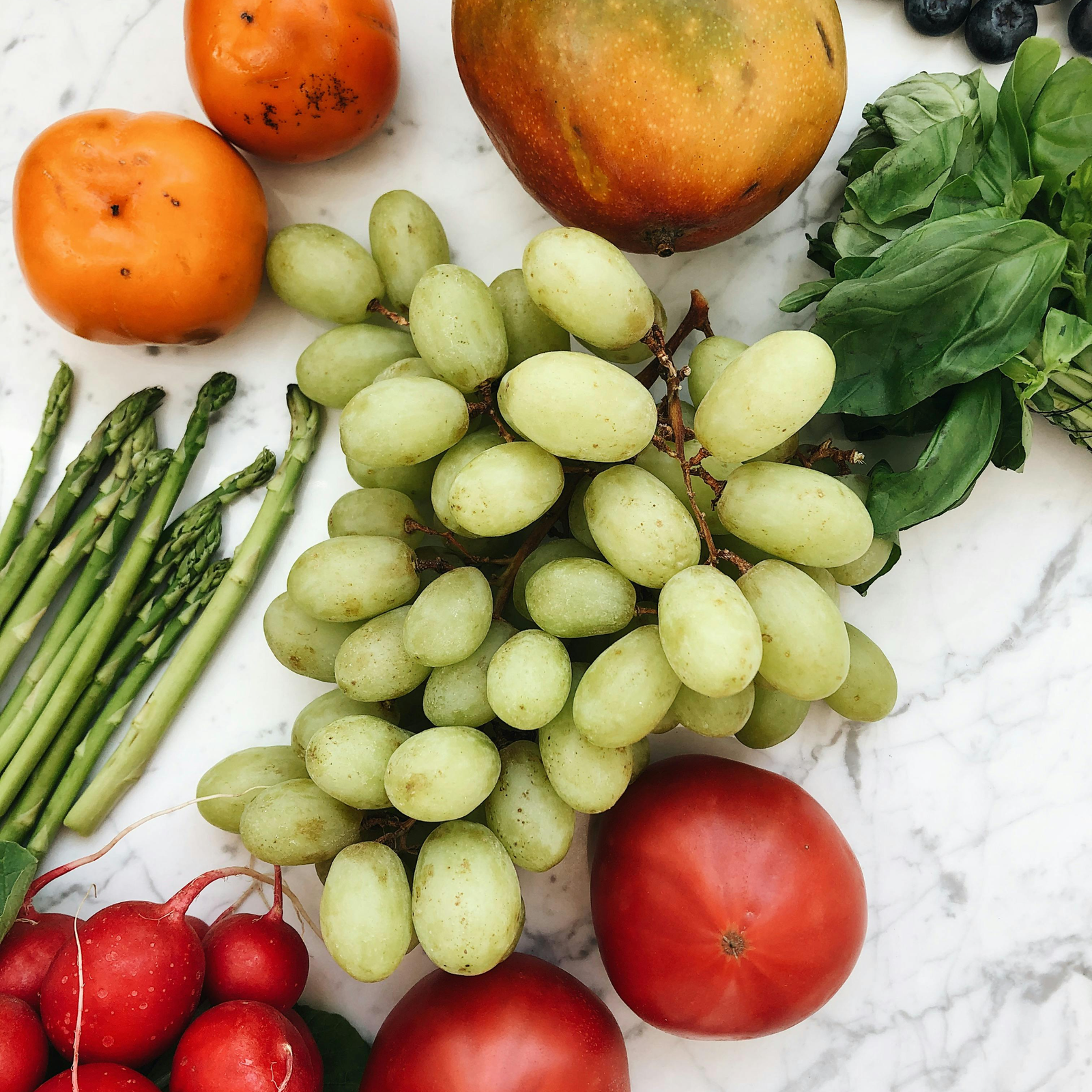
- Seasonal Produce: Choose fruits and vegetables that are in season—they’re cheaper and fresher.
- Simple Proteins: Use eggs, lentils, beans, and chicken as cost-effective protein sources.
Sample Meal Plan
- Breakfast: Oatmeal with banana and peanut butter
- Snack: Apple slices with a small handful of nuts
- Lunch: Lentil soup with brown rice and mixed vegetables
- Snack: Carrot sticks or cucumber slices with hummus
- Dinner: Stir-fried chicken with seasonal vegetables and quinoa
Tips for Sustainable Budget-Friendly Eating
- Shop with a list and stick to it to avoid impulse buys.
- Use leftovers creatively to reduce food waste.
- Prepare meals in bulk and freeze portions for later.
- Drink water instead of buying sugary drinks.
- Track your spending on groceries to find more ways to save.