

Yoga for Beginners: Easy Poses, Breathing & a 15-Minute Routine
A gentle yoga guide for beginners — easy poses, breathing basics, and a 15-minute routine to build flexibility, strength, and calm. No experience needed.
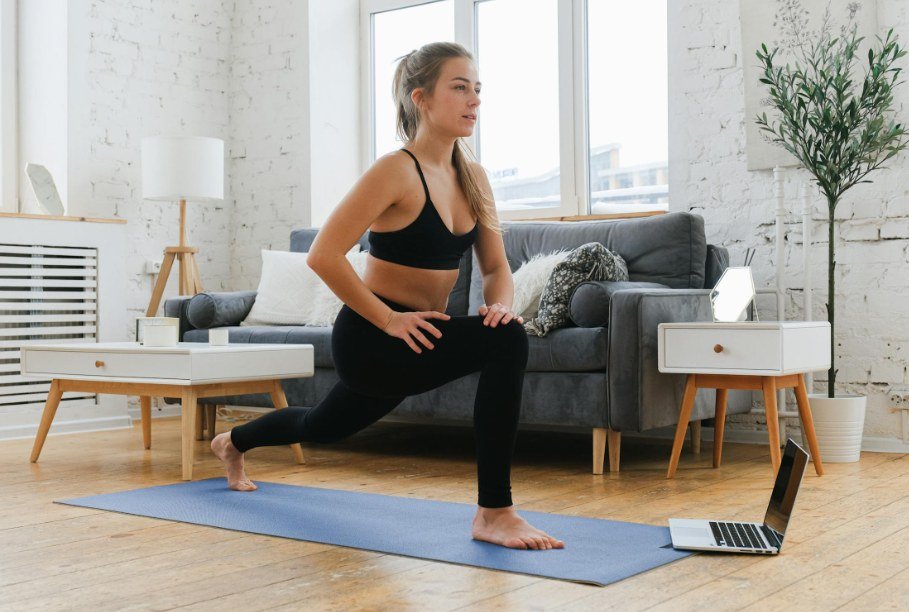
Let’s clear something up right away: you don’t need to touch your toes, sit cross-legged for an hour, or look like the people on Instagram to start yoga. If you’ve been putting it off because you think you’re “not flexible enough,” that’s exactly backwards — flexibility is what yoga gives you, not what it asks for.
Yoga is one of the kindest ways to start moving your body. It’s low-impact, needs almost no equipment, and meets you wherever you are. Whether you want to ease stiff shoulders, calm a busy mind, or simply build a habit of moving daily, it delivers.
In this guide, we’ll keep things refreshingly simple. A few beginner poses, how to breathe, and how to build a short routine you’ll actually look forward to. Roll out a towel if you don’t have a mat yet, and let’s begin.
Why Yoga Is Perfect for Beginners
A lot of fitness routines throw you in at the deep end. Yoga doesn’t. You move at your own pace, hold poses only as long as feels right, and slowly build strength and mobility without pounding your joints.
Here’s what even a gentle practice can do for you:
- Improves flexibility — those tight hips and stiff hamstrings gradually loosen.
- Builds quiet strength — holding poses works muscles you didn’t know you had.
- Eases stress — the slow breathing calms your nervous system in real time.
- Improves balance and posture — you stand taller and move with more control.
- Helps you sleep better — a short evening flow signals your body to wind down.
And because it’s gentle on the body, yoga pairs wonderfully with more intense training. It’s the perfect recovery-day companion to something like our morning workout routine for maximum energy.
Beginner-Friendly Poses to Start With
You only need a handful of poses to begin. Move slowly, never force a stretch, and breathe through each one. If something hurts, ease off — discomfort is fine, sharp pain is not.
Mountain Pose (Tadasana)
Stand tall with feet hip-width apart, arms by your sides, shoulders relaxed. It looks like simply standing, but you’re learning alignment and steady breathing. This is your foundation.
Cat-Cow Stretch
On your hands and knees, arch your back up like a cat as you exhale, then drop your belly and lift your gaze as you inhale. This gentle flow wakes up a stiff spine — a beautiful way to start any morning.
Downward-Facing Dog
From hands and knees, lift your hips up and back into an upside-down V. Keep a slight bend in your knees if your hamstrings are tight. It stretches your whole back body and builds arm strength too.
Child’s Pose (Balasana)
Kneel, sit back on your heels, and fold forward with arms stretched ahead. This is your rest pose — return to it anytime you need a breather. It quietly releases the back, hips, and shoulders.
Cobra Pose
Lie on your stomach, hands under your shoulders, and gently lift your chest. It opens the front of your body and counteracts all that hunching over phones and desks.
Hold each pose for three to five slow breaths to start. There’s no rush — yoga rewards patience, not speed.
The Secret Ingredient: Your Breath
If you remember one thing from this article, make it this. The breath is what separates yoga from ordinary stretching. When you sync slow, steady breathing with movement, you calm your mind and deepen every pose.
Try this: breathe in through your nose for a count of four, then out through your nose for a count of four. Let each movement follow the rhythm of your breath rather than rushing ahead of it. Whenever your mind wanders — and it will — gently bring your attention back to that inhale and exhale.
This simple focus is why so many people finish a session feeling lighter, not just looser.
A Simple 15-Minute Beginner Routine
Here’s a short sequence you can do most mornings. No equipment, no experience needed:
- Mountain Pose — 5 slow breaths to center yourself
- Cat-Cow — 8 gentle rounds to warm the spine
- Downward Dog — hold for 5 breaths
- Cobra Pose — 3 rounds, lifting and lowering
- Child’s Pose — rest here for 5 breaths
- Repeat the whole sequence twice if you have time
That’s it. Fifteen minutes, and you’ve moved your spine in every direction, stretched the major muscle groups, and given your mind a quiet reset. Do this a few times a week and you’ll feel the difference within a fortnight.
Tips to Build a Lasting Habit
Starting is easy; sticking with it is the real game. A few things make all the difference:
- Keep your mat visible — out of sight really is out of mind.
- Start tiny — even five minutes counts on a busy day. Showing up matters more than the length.
- Pick a regular time — attaching yoga to an existing habit, like right after you wake up, helps it stick.
- Be kind to yourself — some days you’ll feel bendy, others stiff. Both are completely normal.
What You Need to Get Started
One of the loveliest things about yoga is how little it asks of you. There’s no expensive kit to buy and no special studio required. Still, a few simple things make your practice more comfortable from day one:
- A yoga mat — for grip and a little cushioning. A folded blanket or thick towel works perfectly fine while you’re starting out.
- Comfortable clothing — anything stretchy that lets you move and breathe freely. There’s no need for fancy activewear.
- A quiet corner — just enough room to stretch your arms and legs without bumping into the furniture.
- An open mind — easily the most important item on the list. Let go of how it’s “supposed” to look and pay attention to how it feels.
That’s genuinely all it takes. You can practise in your bedroom, your living room, or even a hotel room while you’re travelling. No excuses, no barriers — just you and a few minutes of mindful movement.
Final Thoughts
Yoga isn’t about twisting into impossible shapes or achieving some perfect pose. It’s about showing up on your mat, breathing, and moving with a little more awareness than you did yesterday. That’s the whole practice.
Start with the five poses above, focus on your breath, and keep your sessions short and consistent. Over time, you’ll notice you’re calmer, stronger, and standing a little taller — and you’ll wonder why you waited so long to begin.
So, are you ready to unroll that mat tomorrow morning?
FAQs
Do I need to be flexible to start yoga?
Not at all. Flexibility is a result of practicing yoga, not a requirement to begin. Everyone starts stiff — you’ll loosen up gradually with regular practice.
How often should a beginner do yoga?
Two to three short sessions a week is a great starting point. Consistency matters far more than long, occasional sessions, so keep it manageable and build from there.
Can yoga help me lose weight?
Yoga supports weight loss by reducing stress, improving sleep, and building lean muscle. For faster fat loss, combine it with regular cardio or strength training and balanced eating.